Cancer Care

Cancer can be a scary word, but getting a treatment plan doesn’t have to be. Cancer refers to a large group of diseases in which abnormal cells grow uncontrollably and may spread throughout the body. At Clarinda Regional Health Center, we treat all types of solid tumors, blood cancers, and even non-cancerous conditions—with a focus on compassionate, comprehensive care. Thanks to advances in screening and treatment, survival rates continue to improve for many types of cancer.
Cancer Treatment Options May Include:
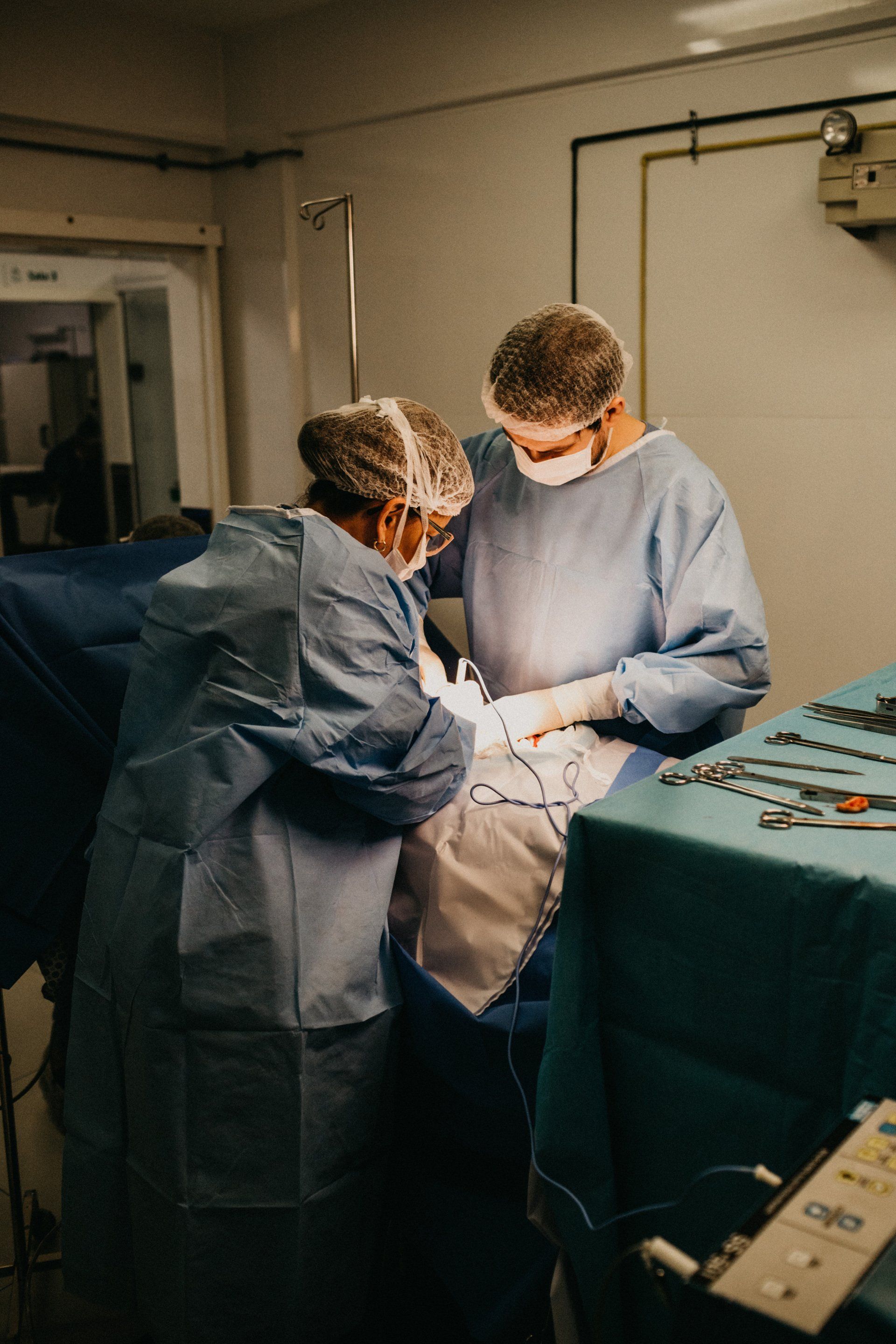
► Surgery ► Immunotherapy
► Radiation Therapy ► Targeted Therapy
► Chemotherapy ► Hormone Therapy
4 Key Elements of Medical Care
For Patients with a Cancer Diagnosis
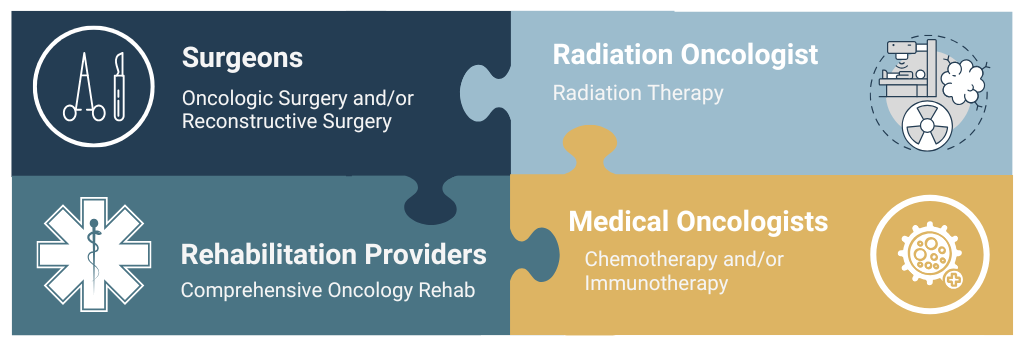
Comprehensive cancer care includes ongoing support beyond diagnosis and treatment. Through a coordinated team and established network of services, we ensure patients have access to the resources they need to manage their condition with compassion and confidence.
Who Benefits from Oncology Rehabilitation?
► Anyone preparing for lumpectomies, mastectomies, hysterectomies, etc
► Anyone who has recently been diagnosed with breast cancer or pelvic cancer
► Anyone who is preparing for chemo and/or radiation
► Anyone who has had these interventions in the past and is having difficulty with pain, joint mobility, swelling, or strength concerns
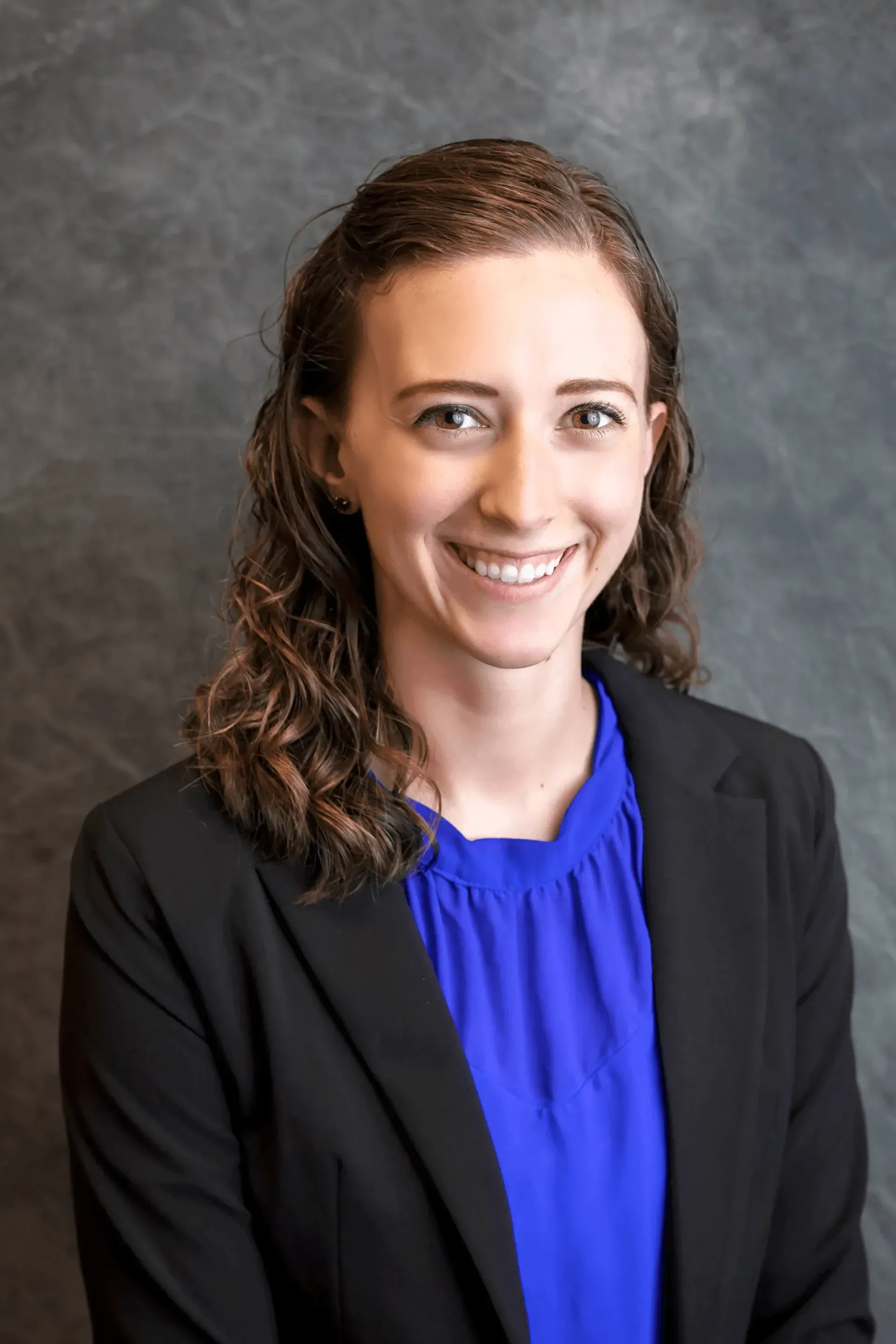
Meet Our Oncology Rehabiliation Specialist
Julie Orme is an Occupational Therapist at CRHC. As a PORi-Certified provider, Julie understands the physiological impact of cancer treatments that stem from chemotherapy, radiation, and surgery. Her knowledge and specialized training mean she can provide safer, more effective rehabilitation throughout our patients' healthcare experience.
If you have any questions about our programs, referrals, or our facility, reach out to the CRHC's Rehabilitation Therapy team.
► Rehab & Sports Med Center
Phone:
(712) 542-8224
Comprehensive Cancer Care at CRHC
As part of our comprehensive cancer care, we offer specialized oncology rehabilitation services led by a PORi-certified provider. Here's why that is important to our patients:
Other Services at CRHC
Cancer Prevention
There’s no certain way to prevent cancer. But doctors have identified ways of reducing your cancer risk, like:
- Stop smoking. If you smoke, quit. If you don’t smoke, don’t start. Smoking is linked to several types of cancer — not just lung cancer. Stopping now will reduce your risk of cancer in the future.
- Avoid excessive sun exposure. Harmful ultraviolet (UV) rays from the sun can increase your risk of skin cancer. Limit your sun exposure by staying in the shade, wearing protective clothing, or applying sunscreen.
- Eat a healthy diet. Choose a diet rich in fruits and vegetables. Select whole grains and lean proteins.
- Exercise most days of the week. Regular exercise is linked to a lower risk of cancer. Aim for at least 30 minutes of exercise most days of the week. If you haven’t been exercising regularly, start out slowly, and work your way up to 30 minutes or longer.
- Maintain a healthy weight. Being overweight or obese may increase your risk of cancer. Work to achieve and maintain a healthy weight through a combination of a healthy diet and regular exercise.
- Drink alcohol in moderation, if you choose to drink. If you choose to drink alcohol, limit yourself to one drink a day if you’re a woman of any age or a man older than age 65, or two drinks a day if you’re a man 65 years old or younger.
- Schedule cancer screening exams. Talk to your doctor about what types of cancer screening exams are best for you based on your risk factors.
- Ask your doctor about immunizations. Certain viruses increase your risk of cancer. Immunizations may help prevent those viruses, including hepatitis B, which increases the risk of liver cancer, and human papillomavirus (HPV), which increases the risk of cervical cancer and other cancers. Ask your doctor whether immunization against these viruses is appropriate for you.
Meet our Oncology Providers